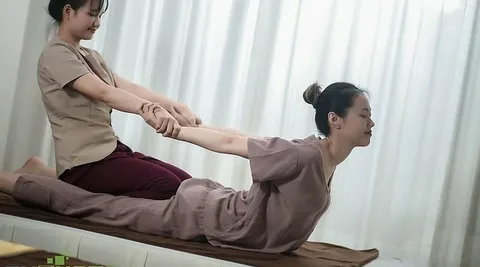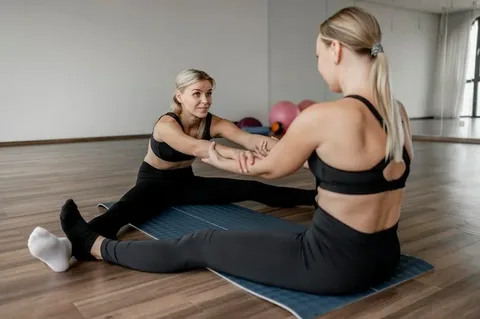
Assisted stretching offers a practical way to improve flexibility and make everyday movements more comfortable. Many people experience muscle tightness after sitting for long hours, exercising, or performing repetitive tasks. Over time, these habits can limit natural movement and affect daily comfort. A guided stretching session helps address these concerns through controlled movements and personalized support.
People in Richmond, VA, often balance busy work schedules, family responsibilities, and physical activities. Consequently, they may not have enough time to maintain a consistent stretching routine. Professional stretching sessions provide structured support and help people understand their body’s movement needs. Additionally, a trained practitioner can adjust each stretch based on comfort, flexibility, and individual goals.
At Teresabartleylmt, clients can explore personalized stretching support that focuses on movement, relaxation, and flexibility. The goal is to make stretching more comfortable while helping individuals develop better body awareness.
With expert assisted stretching, people can work on tight muscle groups, improve their range of motion, and support an active lifestyle. Moreover, consistent sessions can help build a better understanding of safe stretching habits.
Understanding How Assisted Stretching Works
Stretching helps muscles and surrounding tissues move through a comfortable range of motion. However, some people struggle to stretch certain areas without support. Professional guidance can make these movements easier to understand and perform.
During a session, a trained practitioner guides the client through selected stretches. The practitioner supports the body and adjusts each movement according to the client’s comfort level. This approach allows people to focus on relaxation rather than managing every movement themselves.
What Makes Professional Stretching Different?
Traditional stretching usually involves movements that individuals perform independently. Assisted sessions add another level of guidance through professional support.
For example, someone with tight shoulders may struggle to reach the right position alone. A practitioner can help guide the movement while maintaining a comfortable position. Similarly, supported leg stretches may help individuals work on flexibility in their hips and hamstrings.
Professional sessions also allow practitioners to observe movement patterns. Therefore, they can adjust stretches when a particular position feels uncomfortable.
The process generally includes:
- Discussing personal flexibility goals.
- Identifying areas of muscle tightness.
- Selecting suitable stretching movements.
- Adjusting positions according to comfort.
- Reviewing progress and future goals.
Furthermore, communication plays an important role throughout each session. Clients should always share discomfort, movement limitations, or previous injuries.
How Assisted Stretching Supports Flexibility and Mobility
Flexibility affects how comfortably muscles and joints move during everyday activities. Limited flexibility can make simple movements feel difficult. For example, bending forward, reaching overhead, or turning the upper body may become uncomfortable.
Regular stretching can help maintain muscle flexibility. Additionally, guided movements can help individuals explore their available range of motion without forcing uncomfortable positions.
Why Choose Expert Assisted Stretching for Better Movement?
Expert assisted stretching gives individuals an opportunity to work on specific areas with professional guidance. Each session can focus on personal movement goals rather than following a general stretching routine.
For instance, office workers may want to address tight hips and shoulders. Meanwhile, physically active individuals may focus on their legs, back, or upper body.
Five practical ways to support flexibility include:
- Stretch consistently: Follow a regular schedule that suits your lifestyle.
- Move gradually: Avoid forcing muscles into uncomfortable positions.
- Focus on tight areas: Discuss specific concerns with your practitioner.
- Stay hydrated: Maintain healthy hydration throughout the day.
- Track your progress: Notice changes in everyday movement and comfort.
However, flexibility develops differently for everyone. Some people notice gradual improvements with consistent practice, while others need more time.
Therefore, realistic goals and comfortable movements should guide every stretching routine.
Exploring Stretch Therapy and Mobility Stretching
Different stretching approaches serve different purposes. Some focus on improving flexibility, while others emphasize movement quality and muscle comfort. Understanding these approaches can help people choose suitable sessions.
Stretch Therapy often combines guided movements with techniques that support flexibility and body awareness. Practitioners may use different positions to address specific muscle groups.
How Guided Stretch Therapy Helps Daily Movement
Professional Stretch Therapy can help individuals understand how their bodies respond to different movements. For example, someone who spends hours at a desk may benefit from guided shoulder, chest, and hip stretches.
Similarly, Mobility Stretching service focuses on comfortable movement through the available range of motion. It may include controlled movements that involve the hips, shoulders, ankles, and spine.
These approaches can complement an active lifestyle. However, they do not replace medical treatment or rehabilitation when someone has an injury.
Five useful practices include:
- Choose stretches that match your movement goals.
- Maintain comfortable breathing during each movement.
- Avoid bouncing or sudden movements.
- Allow enough time for muscles to relax.
- Discuss any unusual discomfort with your practitioner.
Furthermore, consistent practice can help individuals become more aware of their movement habits.
Who Can Benefit From Assisted Stretching Sessions?
People have different reasons for including stretching in their routines. Some want to improve flexibility, while others simply want to feel more comfortable during everyday activities.
Guided stretching can suit many adults when practitioners adjust movements to individual needs. However, a person’s health history and physical condition should always influence the session.
Stretching Support for Different Lifestyles
Office workers often spend long periods sitting. Consequently, their hips, shoulders, and upper backs may feel tight. Guided stretching can help them work on these areas.
Active individuals may also benefit from a structured stretching routine. For example, runners may focus on their calves, hamstrings, and hips. Meanwhile, people who perform physical jobs may want to address general muscle stiffness.
Five practical considerations can help determine whether a session suits your lifestyle:
- Office workers: Focus on movement breaks and comfortable stretches.
- Athletes: Discuss flexibility goals and training demands.
- Older adults: Choose gentle movements appropriate for individual mobility.
- Busy professionals: Consider sessions that fit regular schedules.
- Active individuals: Address muscle groups involved in daily activities.
Additionally, people with recent injuries, joint problems, or ongoing pain should consult an appropriate healthcare professional before starting.
What to Expect During a Professional Stretching Session
Knowing what happens during a session can make the experience more comfortable. Professional stretching should follow a structured approach that considers personal goals and physical limitations.
A session usually begins with a conversation about lifestyle, movement habits, and areas of concern. The practitioner may then assess comfortable movement patterns before selecting suitable stretches.
Preparing for Your First Stretching Appointment
Clear communication helps create a more comfortable experience. Clients should explain their flexibility goals and mention any movements that cause discomfort.
During the session, the practitioner guides each position and adjusts the level of support. However, clients should never feel pressured to continue a stretch that causes pain.
Five helpful preparation tips include:
- Wear comfortable clothing: Choose outfits that allow free movement.
- Share relevant information: Mention injuries and physical limitations.
- Arrive prepared: Give yourself enough time before the appointment.
- Communicate clearly: Explain discomfort during each stretch.
- Follow professional advice: Practice only the recommended movements afterward.
Moreover, clients should understand that progress takes time. One appointment may provide useful movement guidance, but consistent practice often plays a greater role in long-term flexibility.
Building a Consistent Stretching Routine for Long-Term Comfort
A regular stretching routine can help people maintain flexibility and develop better movement habits. However, consistency matters more than pushing the body through difficult positions.
Professional sessions can provide guidance, while simple daily movements help reinforce healthy habits. For example, taking short movement breaks during work hours may reduce prolonged periods of inactivity.
Practical Ways to Maintain Your Stretching Progress
A realistic routine should match your schedule and physical abilities. Start with comfortable movements and gradually develop consistency.
Five practical habits can support your routine:
- Set achievable goals: Focus on specific movement improvements.
- Take movement breaks: Avoid remaining in one position for extended periods.
- Practice gentle stretches: Follow movements recommended by your practitioner.
- Maintain good posture: Pay attention to your sitting and standing habits.
- Review your progress: Discuss changes during future sessions.
Additionally, Assisted Stretch Therapy can provide continued professional guidance when individuals want structured support.
People interested in Mobility Stretching can also discuss suitable movements for their daily activities. Likewise, Stretch Therapy in Glen Allen, VA may help them build a more consistent approach to flexibility.
Overall, professional guidance and sensible daily habits can work together. The best routine is one that feels comfortable, realistic, and sustainable.
Conclusion
Flexibility and comfortable movement play an important role in everyday life. However, busy schedules, prolonged sitting, and repetitive activities can make it difficult to maintain healthy movement habits. A structured stretching routine offers an opportunity to address these concerns through gradual, controlled movements.
Professional guidance can also help individuals understand their physical limitations and choose suitable stretching techniques. Furthermore, regular sessions may support flexibility goals, body awareness, and everyday mobility.
People exploring expert Stretch Therapy in Richmond, VA, can consider their personal goals, daily routines, and comfort levels before choosing a service. Residents of Glen Allen can also explore suitable stretching options based on their individual movement needs.
Consistency remains an important part of the process. Therefore, combining professional sessions with appropriate daily movement habits can help create a sustainable routine.
At Teresabartleylmt, individuals can explore stretching support that considers their personal needs and flexibility goals. Clear communication, comfortable movements, and realistic expectations should remain central to every session.
Ultimately, stretching should feel supportive rather than forced. With the right guidance and a consistent approach, people can develop healthier movement habits and enjoy greater confidence in their everyday activities.
FAQs
What is assisted stretching?
Assisted stretching involves a trained practitioner guiding and supporting your body through controlled stretching movements to work on flexibility and mobility.
How often should I schedule assisted stretching sessions?
Frequency depends on your goals, physical condition, and schedule. A practitioner can suggest a suitable routine based on your individual needs.
Can assisted stretching help with muscle tightness?
It may help improve flexibility and reduce feelings of muscle tightness. However, persistent or unexplained pain requires appropriate medical evaluation.
Is assisted stretching suitable for beginners?
Yes. Beginners can explore guided stretching with movements adjusted to their comfort, flexibility, and physical abilities.
What should I wear to a stretching session?
Wear comfortable, flexible clothing that allows you to move freely. Avoid outfits that restrict your movement.