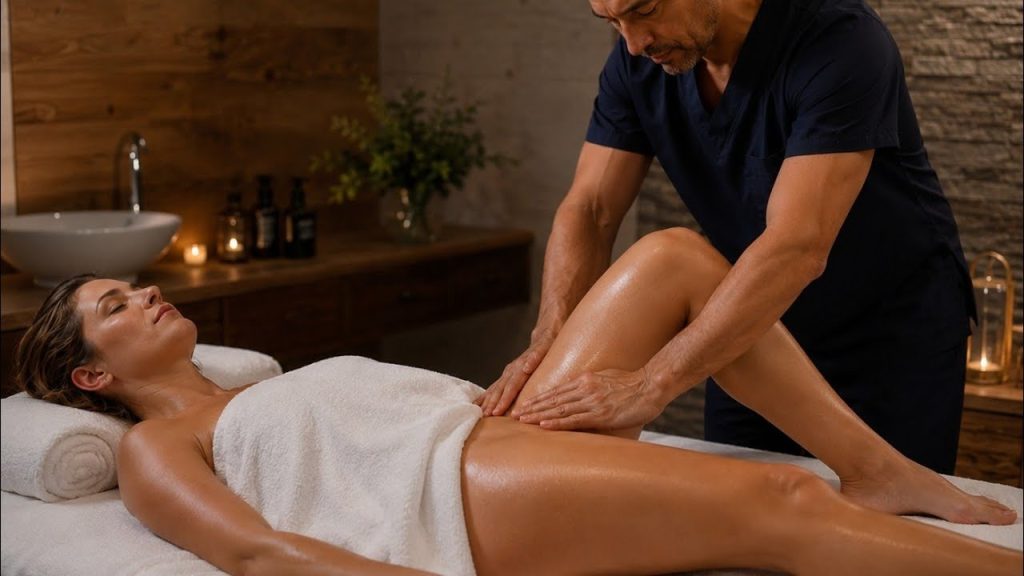
Daily stress can affect your body as much as your mind. Long hours at a desk, physical work, exercise, and poor sleep may contribute to tight muscles and general discomfort. Massage therapy offers a way to relax, ease muscle tension, and make time for personal wellness. The right approach depends on your comfort, goals, and health needs.
Finding a reliable Massage Therapist Near Me can help you explore options that fit your routine. However, choosing a therapist involves more than convenience. You should also consider their training, communication style, hygiene practices, and experience with your preferred type of massage.
In Ashland, Virginia, Teresa Bartley Lmt can be a starting point for people looking to learn more about massage therapy and its potential benefits. Before booking a session, it helps to understand what massage can offer, how to prepare, and what questions to ask.
This guide explains common massage techniques, practical ways to choose a therapist, and simple steps to make each appointment more comfortable. With realistic expectations and clear communication, you can make a more informed decision about your wellness routine.
Understanding the Benefits of Massage Therapy
Massage therapy involves working with the body’s soft tissues to support relaxation and address muscle tension. Depending on the technique, a session may use gentle strokes, steady pressure, or focused work on specific areas. Many people choose massage to unwind after a busy week or manage everyday muscle tightness.
However, massage is not a replacement for medical care. Its benefits vary from person to person, and a therapist should consider your comfort and health history before beginning.
How Massage May Support Everyday Wellness
Massage may help some people feel more relaxed and notice temporary relief from muscle discomfort. It can also provide quiet time away from daily demands. Therefore, discuss your goals before the session so the therapist can choose an appropriate approach.
People often consider massage for several reasons:
- Muscle relaxation: Gentle or focused techniques may help reduce feelings of tightness.
- Stress management: A calm environment can support relaxation.
- Post-work comfort: Massage may ease everyday tension after sitting or standing for long periods.
- Body awareness: Sessions can help you notice areas that feel tight or uncomfortable.
- Personal wellness: Regular appointments may become part of a balanced self-care routine.
Moreover, results depend on the technique, pressure, and individual needs. A skilled therapist should explain what a session can reasonably achieve and avoid promising a cure.
Finding a Massage Therapist Near You in Ashland, VA
Convenience matters when choosing a massage professional. A nearby practice can make appointments easier to fit around work, family, and other commitments. Nevertheless, location should not be your only consideration. Training, professional boundaries, communication, and cleanliness also matter.
A trusted Massage Therapist Near Ashland, VA should take time to understand your concerns and explain the proposed treatment. You should feel comfortable asking questions before, during, and after the appointment.
What to Check Before Booking a Massage
Start by reviewing the therapist’s professional background and available services. In Virginia, check applicable licensing requirements and verify credentials through the relevant state authority when needed. Additionally, look for clear service descriptions and appointment policies.
Use these five practical checks:
- Professional credentials: Ask about relevant training and qualifications.
- Treatment options: Confirm that the therapist offers the type of massage you want.
- Communication: Choose someone who listens to your concerns and explains the session.
- Hygiene: Look for clean linens, sanitized equipment, and a tidy treatment area.
- Booking details: Confirm session length, fees, cancellation rules, and any preparation instructions.
Furthermore, read reviews carefully rather than relying on one opinion. Look for comments about professionalism, comfort, and clear communication. These details can help you make a more informed choice in Ashland.
Exploring Therapeutic Massage Options
Massage techniques differ in pressure, movement, and purpose. Some focus on relaxation, while others target particular areas of muscle tension. Therefore, the most suitable option depends on your preferences, comfort level, and health history.
Before choosing a session, explain whether you want gentle relaxation, focused work on tight muscles, or support for everyday physical discomfort. A therapist can discuss suitable options and explain any limitations.
Choosing a Technique That Fits Your Needs
A professional should explain the planned technique and check that you feel comfortable with it. Therapeutic Massage may include approaches intended to address muscle tension and support comfort, depending on the therapist’s training and the services offered.
Consider these five points when discussing your options:
- Relaxation massage: Often uses gentle, flowing movements to encourage relaxation.
- Focused massage: Concentrates on selected areas, such as the shoulders or back.
- Pressure preference: Tell the therapist if you prefer light, medium, or firmer pressure.
- Health considerations: Discuss injuries, recent procedures, or other relevant concerns beforehand.
- Session goals: Explain what you hope to gain so the therapist can recommend an appropriate approach.
You can learn more about the general practice of massage and its different techniques. However, online information cannot replace an individual assessment. Stop or ask for a change if the pressure feels painful or uncomfortable.
Preparing for a Comfortable Massage Session
A little preparation can help you feel more relaxed during your appointment. You do not need an elaborate routine. Instead, focus on clear communication, comfortable clothing, and sharing relevant health information with your therapist.
Arrive with enough time to complete any intake forms and discuss your goals. Additionally, let the therapist know about areas you would prefer them to avoid. You should always feel able to ask questions or request adjustments.
Five Simple Ways to Prepare
Use these practical steps before your session:
- Share your health history: Mention relevant medical conditions, injuries, allergies, medications, or recent procedures.
- Explain your preferences: Discuss pressure, sensitive areas, and the type of massage you want.
- Arrive on time: Give yourself a few minutes to settle in without rushing.
- Follow comfort guidelines: Wear suitable clothing and follow any instructions provided by the practice.
- Speak up during treatment: Tell the therapist if you feel pain, dizziness, cold, or discomfort.
Furthermore, drink water as you normally would and allow yourself time to rest afterward if needed. Avoid assuming that stronger pressure produces better results. A comfortable session should respect your limits, and you can change your mind about any technique at any time.
Building a Practical Massage and Self-Care Routine
Massage may fit into a wider approach to wellness, but one appointment does not need to become a long-term commitment. Your needs may change with your work schedule, activity level, stress, and general comfort. Therefore, consider your goals and budget before deciding how often to book.
A professional Massage Therapist services should help you understand available options without pressuring you into unnecessary appointments. If discomfort continues, worsens, or interferes with daily activities, consult a qualified healthcare professional to identify the cause.
Five Ways to Make Wellness More Consistent
These habits can complement massage and support everyday comfort:
- Take movement breaks: Stand, stretch gently, or walk during long periods of sitting.
- Improve your workspace: Adjust your chair and screen to support a comfortable posture.
- Maintain a sleep routine: Give yourself regular time to rest and recover.
- Manage daily stress: Try breathing exercises, quiet activities, or short outdoor walks.
- Review your progress: Notice how you feel after sessions and discuss any concerns with your therapist.
Moreover, keep expectations realistic. Massage may offer temporary relief or relaxation, but it does not treat every cause of pain. If you experience unexplained swelling, fever, a suspected blood clot, or a new serious injury, seek medical advice before arranging massage. A careful approach helps keep your wellness decisions informed and appropriate.
Conclusion
Making time for relaxation can be a useful part of caring for your body and managing everyday stress. Massage therapy may help some people feel more relaxed and experience temporary relief from muscle tension. However, the right technique, pressure, and appointment schedule depend on your personal needs.
When searching for a reliable Massage Therapist in Ashland, VA, consider professional credentials, communication, cleanliness, and the services available. Ask questions before booking, share relevant health information, and make sure you feel comfortable throughout the session. These steps can help you choose a service that respects your preferences and supports realistic wellness goals.
For local residents, expert Therapeutic Massage in Ashland, VA may be worth exploring as one part of a balanced self-care routine. Teresa Bartley Lmt is a name to consider when researching local massage options and learning more about available services. Be sure to confirm current offerings, qualifications, appointment details, and fees directly before scheduling.
Finally, remember that massage works best when you approach it with clear expectations. Combine suitable treatment with regular movement, adequate rest, and healthy stress-management habits. If pain persists or raises concern, consult a healthcare professional rather than relying on massage alone.
FAQs
What does a massage therapist do?
A massage therapist uses trained techniques to work with soft tissues, often to encourage relaxation and help address muscle tension.
How do I choose a massage therapist in Ashland, VA?
Review professional credentials, available services, hygiene practices, client feedback, and appointment policies. Ask questions before booking.
Which type of massage should I choose?
Your choice depends on your goals, pressure preferences, and health history. Discuss these factors with the therapist before treatment.
Should massage feel painful to be effective?
No. Some techniques may create pressure or temporary sensitivity, but you should not feel that you must tolerate pain. Ask for an adjustment whenever needed.
How often should I book a massage?
There is no single schedule for everyone. Consider your goals, comfort, budget, and the therapist’s guidance when deciding how often to book.