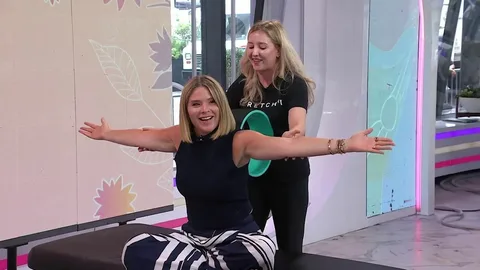
Learn how assisted stretch therapy supports mobility, flexibility, and comfortable movement through guided stretching sessions for Mechanicsville, VA clients.
Movement can become less comfortable when daily routines involve long periods of sitting, repetitive activity, exercise, or limited range of motion. Teresa Bartley LMT offers Assisted Stretch Therapy in Mechanicsville, VA, using guided stretching techniques to help clients work on flexibility and movement in a structured setting.
In Ashland, VA, people exploring Mobility Stretching may be looking for a more focused approach than stretching alone at home. Assisted sessions provide guided positioning and controlled movement while allowing the practitioner to work with the individual’s current flexibility and comfort level.
Stretching does not need to be extreme to be useful. A consistent approach can help people become more aware of how their bodies move and where certain positions feel restricted.
Understanding Assisted Stretch Therapy
Assisted Stretch Therapy in Mechanicsville, VA involves guided stretching in which a practitioner helps position and stabilize parts of the body while the client remains involved in the movement.
Unlike stretching alone, assisted work allows another person to help control positioning, direction, and range within a comfortable level.
The process can vary based on the client’s goals, current mobility, activity level, and areas that feel restricted.
A session may include different types of movement, including:
- Gentle passive stretching
- Controlled range-of-motion movements
- Position changes
- Guided mobility work
- Breathing with stretching
- Gradual work around areas of stiffness
The goal is not to force a joint or muscle beyond a comfortable range. Good stretching should remain controlled and appropriate for the person receiving it.
How Mobility Influences Everyday Movement
Mobility affects more than exercise performance.
Simple activities such as reaching overhead, getting up from a chair, bending down, walking, or turning can all involve multiple joints and muscle groups working together.
When movement feels restricted, people may naturally change how they perform these activities. Over time, these adjustments can become part of their normal movement patterns.
Mobility work provides an opportunity to pay closer attention to those patterns.
Flexibility and mobility are related but not identical. Flexibility generally describes how much a muscle or surrounding tissue can lengthen, while mobility involves how effectively a joint or body area can move through its available range.
Assisted Stretch Therapy and Individual Movement Goals
People approach stretching with different goals.
Someone who exercises regularly may want to maintain comfortable movement around workouts. Someone who spends much of the day at a desk may want to focus on areas that feel restricted after prolonged sitting.
Others may simply want to include structured stretching in their regular wellness routine.
A useful session should reflect those differences rather than applying exactly the same routine to everyone.
Assisted Stretch Therapy Should Respect Your Current Range
Assisted Stretch Therapy works best when the practitioner understands the client’s current level of movement and adjusts the session accordingly.
A deeper stretch is not automatically a better stretch. Pushing too far can create discomfort and may make the experience counterproductive.
Communication matters throughout the session. Clients should describe unusual discomfort, pressure, previous injuries, or movements that do not feel appropriate.
The practitioner can then adjust positioning, intensity, or the type of stretch being used.
The Difference Between Mobility Stretching and Stretch Therapy
The terms Mobility Stretching in Ashland, VA and Stretch Therapy can describe overlapping approaches, but their emphasis may differ.
Mobility work often focuses on controlled movement through available ranges. Stretch therapy may place greater emphasis on guided stretching and specific positions.
| Approach | Main Focus | Typical Setting |
| Mobility Stretching | Controlled movement and range | Individual or guided practice |
| Stretch Therapy | Guided stretching and positioning | Practitioner-assisted session |
| Self-Stretching | Independent flexibility work | Home or gym |
| Dynamic Mobility | Movement through active ranges | Warm-up or exercise routine |
The best approach depends on the person’s goals, movement habits, and comfort with different techniques.
Why Consistency Matters
Stretching is not usually a one-session activity. Movement habits develop over time, and consistency can make it easier to monitor changes in comfort and flexibility.
A regular routine also provides opportunities to notice differences in how certain movements feel from one session to another.
That does not mean every session needs to be intense. Gentle, controlled work can be appropriate when the goal involves maintaining a regular mobility routine.
Between sessions, clients may also benefit from simple movement breaks, comfortable daily activity, and stretching practices that fit their individual needs.
Preparing for an Assisted Stretch Session
Preparation does not need to be complicated.
Wear comfortable clothing that allows normal movement around the hips, shoulders, knees, and other areas being addressed.
It can also help to think about what you want from the session before arriving.
For example, you may want to focus on:
- General flexibility
- Comfortable movement
- Areas that feel restricted
- Supporting an active lifestyle
- Building a consistent stretching routine
Clear communication gives the practitioner useful information when planning the session.
Common Mistakes With Stretching
One common mistake is assuming that more intensity produces better results. Stretching should remain controlled rather than becoming a competition with your current range.
Another mistake involves holding the same position for too long without considering how the body responds.
Skipping warm-up movement can also make stretching feel less comfortable for some people. Gentle movement before deeper stretching may help the body transition into the session.
People also sometimes ignore discomfort because they believe stretching should hurt. Pain is not a requirement for effective stretching, and unusual or persistent pain deserves appropriate attention.
Building Stretching Into a Regular Routine
A stretching routine becomes easier to maintain when it fits naturally into daily life.
Short movement breaks during long periods of sitting can complement structured sessions. Light movement before or after certain activities may also help people remain aware of how their bodies feel.
The key is consistency rather than creating an overly complicated routine.
For people who exercise, stretching and mobility work can also be considered alongside their existing warm-up, recovery, and movement habits.
When Professional Guidance May Be Appropriate
Some people can manage basic stretching independently. Others may prefer guided sessions because they want assistance with positioning or have difficulty knowing which movements fit their goals.
Professional guidance can also provide another set of eyes on movement patterns and help keep stretching controlled.
Anyone with a significant injury, persistent pain, recent surgery, or a diagnosed medical condition should discuss appropriate activity with a qualified healthcare professional before beginning a new stretching routine.
Conclusion
Stretch Therapy provides a structured way to work on flexibility, mobility, and comfortable movement through guided stretching. The approach emphasizes controlled positioning rather than forcing the body into extreme ranges.
For clients in Mechanicsville and Ashland, Teresa Bartley LMT can incorporate assisted stretching into an individualized movement-focused session. Understanding your current range, communicating clearly, and maintaining consistency can make stretching a more practical part of an active lifestyle.
FAQ
What is Assisted Stretch Therapy?
Assisted Stretch Therapy involves guided stretching in which a practitioner helps position and stabilize the body while the client participates in the movement.
Is Assisted Stretch Therapy supposed to hurt?
No. Stretching can create a sensation of tension, but sharp, unusual, or significant pain is not a goal. Clients should communicate discomfort so the movement can be adjusted.
How is assisted stretching different from stretching alone?
A practitioner can help with positioning, stabilization, and controlled movement. This can make it easier to work on specific areas without relying entirely on your own positioning.
How often should I have assisted stretching sessions?
There is no single schedule that fits everyone. Frequency can depend on your goals, activity level, current mobility, and how stretching fits into your overall routine.
Can anyone benefit from assisted stretching?
Many adults incorporate stretching into their wellness and movement routines, but individual needs vary. People with injuries, persistent pain, recent surgery, or medical conditions should seek appropriate professional guidance before starting a new stretching program.