Jaw tension can make simple activities uncomfortable. Chewing meals, speaking for long periods, and even yawning may become difficult when the jaw muscles feel tight or sore. Some people also experience facial tension, headaches, or clicking around the jaw joint. These symptoms can affect daily routines and make relaxation harder.
Teresa Bartley LMT offers a professional setting for people seeking massage therapy to address muscle tension and support everyday comfort. Understanding how jaw muscles work can help you decide which care options may suit your needs. The temporomandibular joints, commonly called TMJs, connect the lower jaw to the skull. Muscles around these joints help control chewing, speaking, and other jaw movements.
Expert TMJ buccal massage focuses on the muscles inside and outside the cheeks. A trained practitioner may use careful, controlled techniques to address muscle tightness and encourage relaxation. However, jaw discomfort can have several causes, including dental problems, joint disorders, and stress-related clenching. Massage does not replace a dental or medical assessment when symptoms persist.
People in Richmond, VA, and Mechanicsville, VA, can benefit from learning about this approach before scheduling a session. Knowing what to expect, how to prepare, and when to seek professional advice helps you make an informed decision about your jaw comfort.
Understanding Jaw Tension and TMJ Discomfort
Jaw discomfort can develop gradually or appear after periods of stress, clenching, or repeated chewing. Therefore, understanding the muscles and joints involved can help you recognize when professional guidance may be useful.
How the Jaw Muscles Affect Daily Comfort
The temporomandibular joints sit on both sides of your head, just in front of your ears. They work with several muscles to open, close, and move the jaw. When these muscles become overworked, you may notice soreness, stiffness, or fatigue around the cheeks and temples.
Common signs of jaw-related discomfort include:
- Tightness around the cheeks or temples.
- Soreness when chewing firm foods.
- Difficulty opening the mouth comfortably.
- Clicking or popping sounds near the jaw joint.
- Facial muscle fatigue after extended talking.
However, these symptoms do not automatically indicate a temporomandibular disorder. Some people experience clicking without pain, while others develop discomfort from dental issues or inflammation.
Why Identifying the Cause Matters
Stress can encourage unconscious clenching, especially during sleep or demanding activities. Additionally, prolonged gum chewing and habits such as biting fingernails may increase muscle strain.
A dental professional can assess tooth-related causes and signs of jaw disorders. If you experience severe pain, jaw locking, swelling, or a sudden change in movement, seek professional evaluation instead of relying on massage alone. Early assessment helps you choose care that addresses the likely cause rather than only the symptoms.
How Expert TMJ Buccal Massage Works
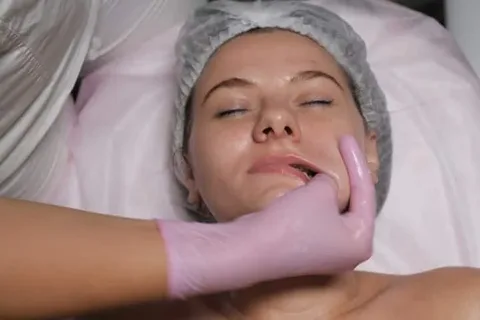
Professional TMJ buccal massage services use focused manual techniques to address tension in selected cheek and jaw muscles. The word “buccal” refers to the cheek area. Depending on the practitioner’s training and the person’s needs, treatment may involve work on the outside of the face and gentle contact inside the cheek.
What Happens During a Session
An experienced practitioner should begin by discussing your symptoms, comfort level, and relevant health history. This conversation helps establish whether massage is appropriate and identifies areas that need extra care.
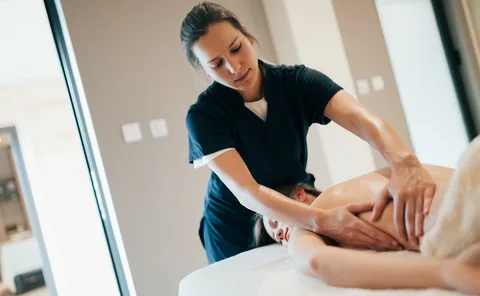
During the session, a practitioner may use gentle pressure around the cheeks, jawline, and nearby facial muscles. With internal buccal techniques, the practitioner uses a gloved hand and follows appropriate hygiene procedures. Pressure should remain controlled and tolerable.
The goals of expert TMJ Massage may include:
- Supporting relaxation in tight facial muscles.
- Reducing the feeling of muscle tension.
- Improving awareness of jaw-clenching habits.
- Encouraging comfortable, gentle jaw movement.
- Helping you understand how stress affects facial tension.
However, results vary from person to person. Massage may help some forms of muscle-related discomfort, but it cannot correct every joint, dental, or nerve problem.
You should feel comfortable asking questions throughout the session. Tell the practitioner if the pressure feels painful, if you feel anxious, or if any technique causes discomfort. Internal work should never continue without your informed consent.
Potential Benefits of TMJ Massage
Massage may form part of a broader plan for managing muscle-related jaw discomfort. However, its benefits depend on the cause of the symptoms, the techniques used, and your individual response.
Supporting Relaxation and Muscle Comfort
Carefully applied TMJ Buccal Massage may help relax tense cheek muscles and reduce the sensation of tightness. Furthermore, a calm treatment environment can help people who notice that stress makes them clench their jaws.
Potential benefits may include:
- Muscle relaxation: Gentle pressure may help tight facial muscles feel less tense.
- Greater comfort: Some people experience temporary relief from muscle soreness.
- Body awareness: Treatment may help you notice when you clench your jaw.
- Stress management: Relaxation may support healthier responses to daily stress.
- Movement awareness: Gentle work may make comfortable jaw movement easier for some people.
These possible benefits should not be treated as guaranteed outcomes. Research on massage specifically for TMJ-related conditions remains limited, and the evidence varies by technique and condition.
For background, the temporomandibular joint is a complex structure involving the jawbone, skull, and supporting tissues. Discomfort may come from muscles, the joint itself, or other causes.
Additionally, massage should complement—not replace—professional assessment when symptoms continue. A dentist or qualified healthcare professional can help determine whether exercises, dental treatment, physical therapy, stress management, or another approach may be more suitable.
Preparing for a Comfortable Massage Session
Good preparation helps you communicate your needs and make informed choices. Before arranging a session, consider your symptoms, health history, and comfort with facial or intraoral techniques.
Practical Steps Before Your Appointment
A short conversation with the practitioner can clarify what the session involves. It also gives you a chance to discuss concerns about pressure, hygiene, and treatment boundaries.
Consider these five practical steps:
- Describe your symptoms: Explain where you feel discomfort, when it started, and which activities make it worse.
- Share relevant health information: Mention recent dental work, facial injuries, infections, or conditions affecting your jaw.
- Discuss medications and sensitivities: Tell the practitioner about relevant medications, allergies, or unusual reactions to touch.
- Ask about hygiene: For internal techniques, confirm the use of fresh gloves and appropriate hand hygiene.
- Agree on comfort limits: Establish that you can request lighter pressure or stop the session at any time.
Furthermore, avoid expecting intense pressure to produce better results. Facial muscles can be sensitive, and aggressive techniques may increase discomfort.
If you have an active oral infection, unexplained facial swelling, a recent injury, or significant jaw locking, seek medical or dental advice before treatment. Likewise, people recovering from oral surgery should follow their treating professional’s instructions.
After the appointment, notice how your jaw responds over the next several hours. If pain increases or new symptoms appear, contact an appropriate healthcare professional rather than repeating treatment immediately.
Finding Suitable Jaw Care in Richmond and Mechanicsville
Choosing a practitioner involves more than finding someone who offers facial massage. You should understand the practitioner’s training, the treatment process, and whether the approach matches your needs.
What to Look for in a Practitioner
When considering services from Teresa Bartley LMT, ask clear questions about the practitioner’s training and experience with facial and intraoral massage techniques. A professional should explain the process, discuss possible limitations, and respect your consent throughout treatment.
Use these five points to guide your decision:
- Relevant training: Ask about education and hands-on training in buccal and jaw-area techniques.
- Clear communication: The practitioner should explain each step before beginning.
- Clean procedures: Confirm appropriate hygiene measures for any intraoral work.
- Personalized pressure: Treatment should reflect your comfort level and reported symptoms.
- Responsible guidance: A practitioner should recommend dental or medical evaluation when symptoms fall outside massage care.
People searching for Trusted TMJ Massage in Mechanicsville, VA, should also consider convenience, appointment availability, and whether the practitioner explains the treatment clearly.
Massage therapists do not diagnose every cause of jaw pain. Therefore, ongoing symptoms, bite changes, repeated locking, or persistent headaches deserve assessment by a dentist or healthcare professional. A coordinated approach can help you avoid delays in getting appropriate care.
The best treatment plan is one that respects your goals, recognizes the limits of massage, and places your comfort and safety first.
Conclusion
Jaw tension can affect eating, speaking, sleeping, and other everyday activities. Understanding the muscles around the temporomandibular joints helps you make better decisions about comfort and care. Massage may offer relief for some people with muscle-related tension, but it does not address every cause of jaw discomfort.
Before choosing treatment, consider how long your symptoms have lasted and whether they affect normal movement. Furthermore, pay attention to warning signs such as severe pain, swelling, jaw locking, or sudden changes in your ability to open your mouth. These symptoms require professional assessment rather than massage alone.
If you are considering Expert TMJ Buccal Massage in Richmond, VA, ask about the practitioner’s training, hygiene practices, techniques, and approach to informed consent. You should understand what the session involves and feel free to request adjustments at any time.
Additionally, simple habits may support jaw comfort between appointments. Try keeping your jaw relaxed when you are not eating, avoiding excessive gum chewing, and noticing when stress causes you to clench your teeth. Gentle self-care can complement professional guidance, although it should not replace an appropriate evaluation.
Ultimately, the right approach depends on the source of your symptoms and your personal needs. By combining informed choices, realistic expectations, and professional advice when necessary, you can take practical steps toward better jaw comfort in Richmond and Mechanicsville.
FAQs
1. What is TMJ buccal massage?
TMJ buccal massage is a manual technique that works with muscles around the cheeks and jaw, sometimes using gentle contact inside the cheek.
2. Can buccal massage relieve jaw tension?
It may help some people with muscle-related tension. However, results vary, and it does not treat every cause of jaw pain.
3. Is internal buccal massage uncomfortable?
You may feel pressure, but treatment should not cause significant pain. Tell the practitioner if you feel uncomfortable or want to stop.
4. How do I know if massage is right for my jaw pain?
A dentist or healthcare professional can help assess persistent pain, jaw locking, swelling, or difficulty moving your jaw before you pursue massage.
5. Where can I ask about jaw massage in Richmond, VA?
You can contact a local practitioner, such as Teresabartleylmt, to ask about training, treatment methods, hygiene practices, and appointment availability.